

PRK Surgery in JM Road
- Home
- PRK Surgery
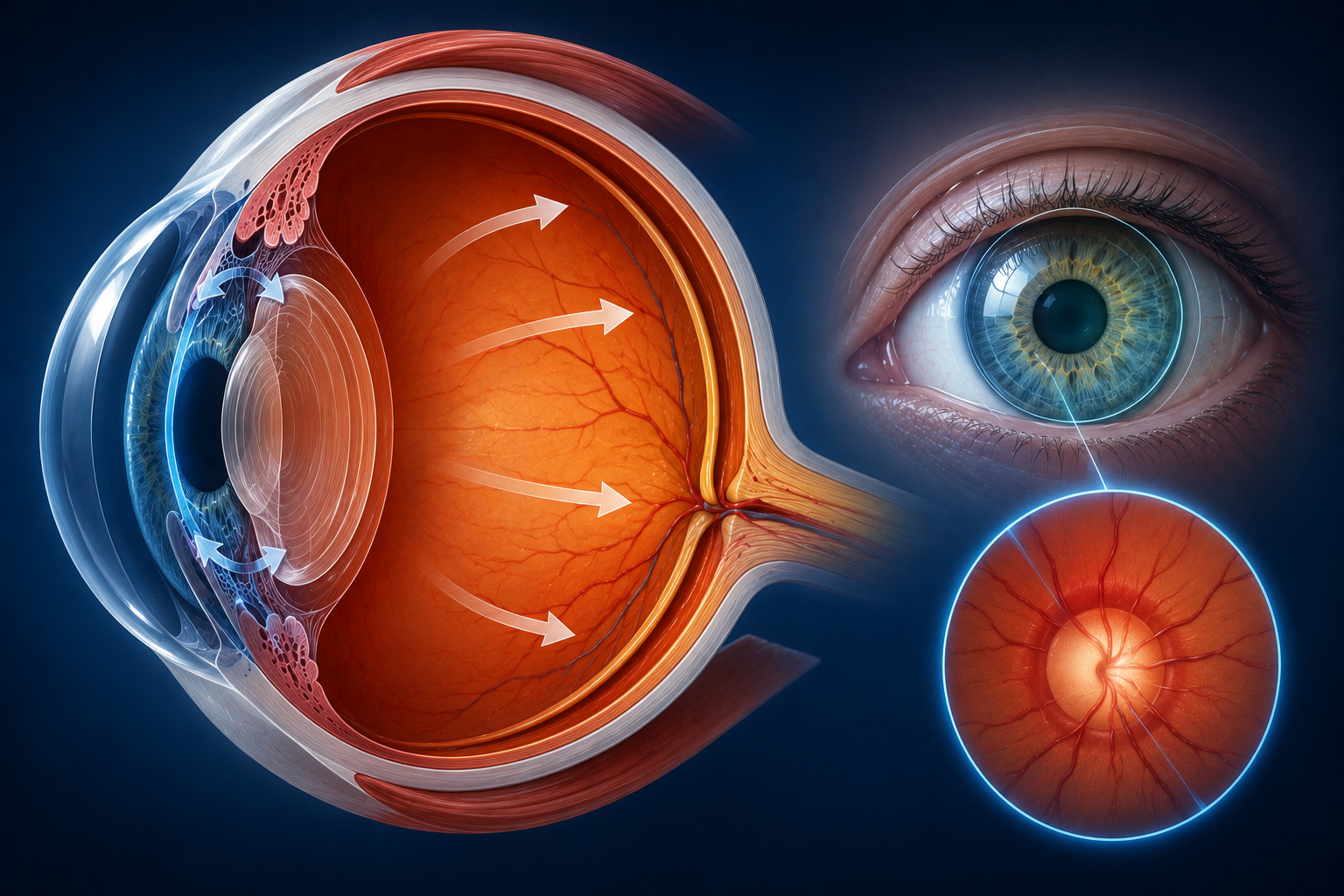
So, what exactly is PRK
Here’s something most people don’t realize until a doctor mentions it: LASIK isn’t the only laser eye surgery out there, and it’s not even the original one. PRK came first Photorefractive Keratectomy, if you want the full name, though nobody really calls it that in conversation.
The difference comes down to one step. LASIK cuts a thin flap into the cornea, lifts it, reshapes the tissue underneath with a laser, then puts the flap back. PRK skips the flap entirely. The surgeon gently removes the very outer layer of the cornea, the epithelium reshapes what’s underneath, and lets that outer layer grow back naturally over the following days.
Sounds like a small technical detail. It isn’t. That one difference is exactly why people who get turned away from LASIK often turn out to be great candidates for PRK instead.
Recovery - And Why It's Slower Than LASIK, On Purpose
This is the part we're upfront about, because nobody likes surprises after surgery. PRK Surgery in JM Road recovers slower than LASIK.
Where LASIK patients often see clearly within a day, PRK patients usually deal with a few days of blurriness, some light sensitivity, and mild discomfort while the epithelium regrows. It's not a sign anything's wrong just how this procedure heals.
The bandage lens usually stays in for about a week. You'll be on antibiotic and steroid drops during that stretch, mostly to support healing and prevent corneal haze. Most people notice real improvement within a week, with vision continuing to settle and sharpen over the following month or so.
Here's the upside worth remembering during that slightly rough first week: no flap means nothing sitting in your cornea that could shift or get disturbed years down the line. Many patients find that trade-off a bit more patience upfront, more peace of mind long-term is well worth it.
Why "JM Road" Keeps Coming Up in Searches
When you’re about to let someone point a laser at your eye, you want the clinic to at least be easy to reach. JM Road works out well for that practically walking distance from Deccan and Shivajinagar, a short drive from Camp, not a bad commute from most of central Pune. That matters more than people expect, because PRK Eye Surgery in JM Road isn’t a one-visit procedure. You’ll be back a few times in the first week or two, and location stops being a minor convenience and starts being genuinely useful.
Past that, what people are really asking even if they don’t say it out loud is: will this hurt, will it actually work, and will someone explain each step instead of handing over a pamphlet. Fair questions. Let’s get into them.
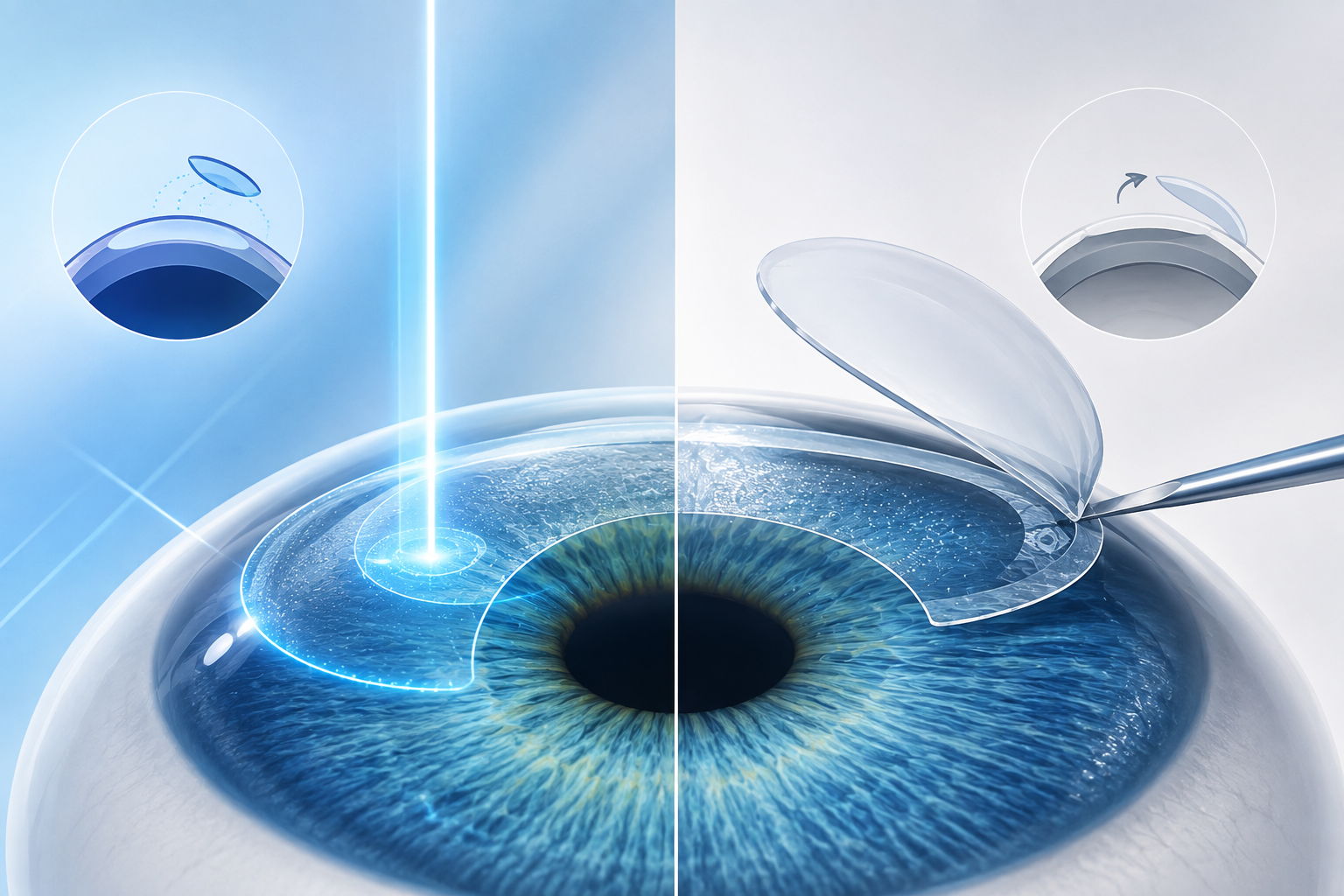
Who Actually Needs PRK Instead of LASIK
01
Your cornea is on the thinner side, and there just isn’t enough tissue to safely cut a LASIK flap. More common than people think a lot of patients don’t even know their corneal thickness until testing.
02
You’re into something physical boxing, martial arts, wrestling, anything where a stray elbow to the face is a real possibility. A LASIK flap, even years later, is technically still a flap, and that’s not something worth risking in a contact sport. PRK has no flap to begin with.
03
You work somewhere that carries a genuine risk to your eyes, armed forces, police, certain industrial jobs. Same logic.
04
Or sometimes it’s just the shape of your cornea. Some corneas simply respond better to surface treatment than anything flap-based, something we can only confirm after proper scans, corneal topography, thickness mapping, and the full evaluation. Guessing isn’t part of the process.
What Actually Happens on the Day
Quicker than most people expect around 10 to 15 minutes per eye. You’re awake throughout, just with numbing drops, no sedation involved.
The surgeon numbs the eye, keeps it gently open with a small instrument (looks scarier than it feels), removes the epithelial layer, and the excimer laser reshapes the cornea based on your exact prescription. Then a soft bandage contact lens goes over the eye’s protective cover while the epithelium heals back over the next several days.
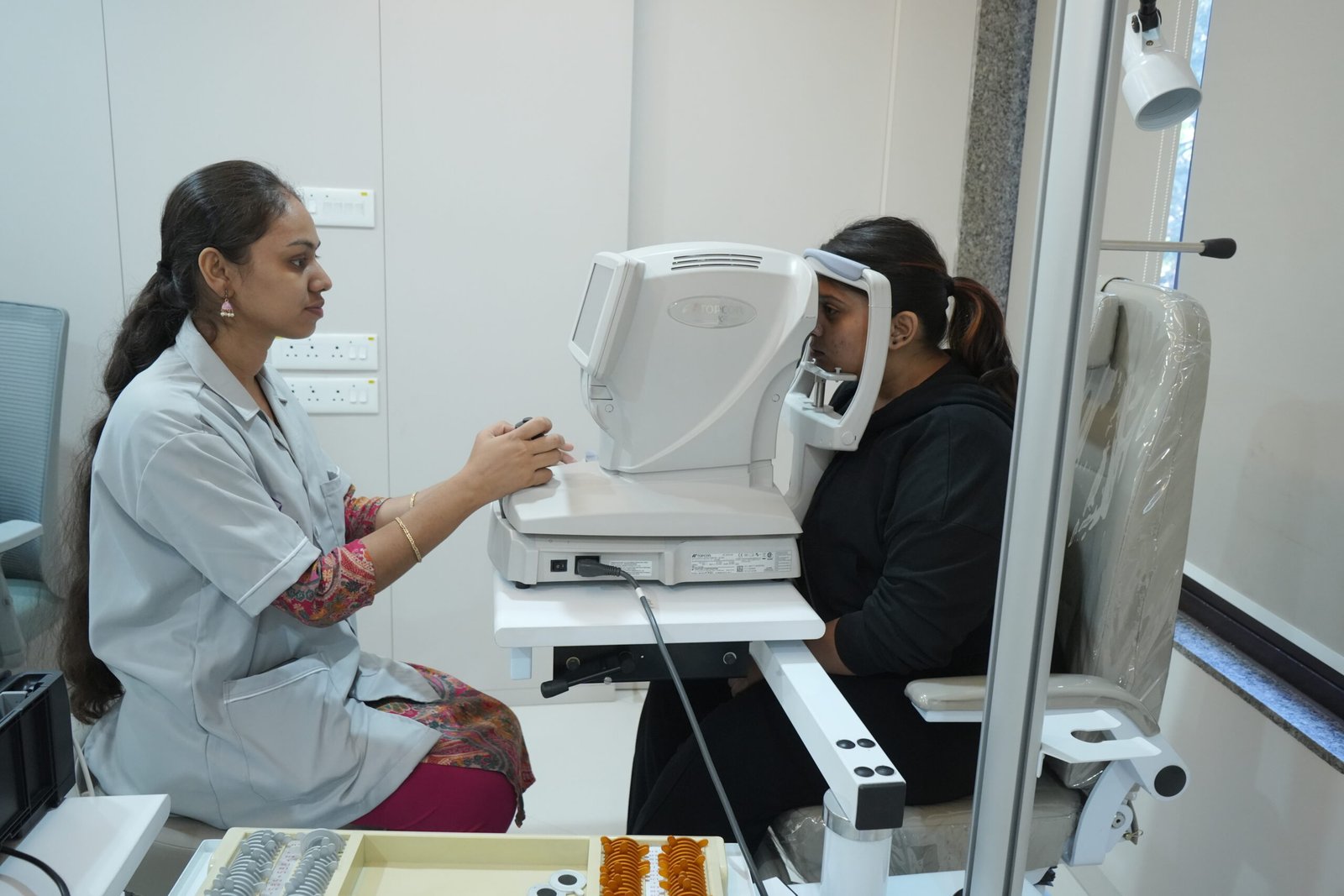
The Equipment Behind Getting This Right
Being trusted for PRK eye treatment in Deccan isn’t just about years of doing this, it’s backed by real technology too. We rely on advanced excimer laser systems for accurate reshaping, thorough pre-surgical mapping, and strict sterilisation across every stage. Pair that with a team that genuinely understands how PRK’s recovery differs from other procedures, and patients end up with results that feel managed, not left to guesswork.
Why Get It Done Here
Beyond the location which genuinely does make follow-ups easier, what actually matters is who’s running the laser, and how clearly they walk you through what’s normal versus what’s not. That first uncomfortable week feels a lot less alarming when someone’s already told you what to expect, instead of leaving you to Google your own symptoms at 11pm.
Frequently Asked Questions
Does PRK hurt?
Not during surgery you’re numbed throughout. Afterward, some discomfort, watering, and light sensitivity for a few days is normal. It fades.
What actually makes PRK different from LASIK?
No flap. LASIK cuts one, PRK doesn’t. That single difference changes recovery time, and also who’s a safer candidate for which procedure.
How do I know if I should get PRK instead of LASIK?
Thin corneas, an active or contact-sport lifestyle, or a corneal shape that suits surface treatment better any of these usually points toward PRK. A proper scan confirms it either way.
How long until I see clearly again?
Blurry for the first several days is normal. Noticeable improvement by about a week. Full stabilization can take four to six weeks, sometimes a little more.
Is this permanent?
Yes, for most patients. Some very minor prescription drift years later is possible from natural aging, but that’s unrelated to the surgery itself.
When can I get back to work?
Most people take about a week off. If your job’s heavy on screens or driving, maybe a day or two extra depending on how your eyes settle.
EXCELLENTTrustindex verifies that the original source of the review is Google. The team here is exceptionally professional and uses the latest technology for a precise exam. The doctor explained everything clearly, making me feel completely confident in my care. I highly recommend this clinic for anyone seeking top-tier eye health services."Posted on GoogleTrustindex verifies that the original source of the review is Google. Good hospital, my eye surgery secessfuully done.Posted on GoogleTrustindex verifies that the original source of the review is Google. Nice carePosted on GoogleTrustindex verifies that the original source of the review is Google. Nice experiencePosted on GoogleTrustindex verifies that the original source of the review is Google. Very good servicePosted on GoogleTrustindex verifies that the original source of the review is Google. Good ServicePosted on GoogleTrustindex verifies that the original source of the review is Google. It was nice experience with the doctor. All our queries were answered. I will recommend the doctor to othersPosted on GoogleTrustindex verifies that the original source of the review is Google. Dr. Sarika Sethia and her entire staff are extremely understanding and compassionate. They make sincere efforts to ease patients’ personal fears and provide the best possible treatment, ensuring complete satisfaction. The service and hospitality at Raghav Eye Hospital are truly excellent—I wholeheartedly appreciate it. My heartfelt thanks to Dr. Sarika and her entire team, along with best wishes for their continued success in the future.