Best Diabetic RetInopathy Specialist In Shivaji Nagar
- Home
- Diabetic Retinopathy Treatment
Understanding Diabetic Retinopathy and Your Vision
Millions of people around the world have diabetes, and diabetic retinopathy is one of the most severe complications of diabetes. Protecting your eyesight should be a priority if you have diabetes. Raghav Eye Hospital is a specialized Diabetic Retinopathy Treatment in Shivaji Nagar, which can help you stop the loss of your sight and save your vision. Our group of seasoned ophthalmologists offers high-quality diagnosis and treatment services that will be offered according to your needs. Timely intervention and early diagnosis are the keys to the management of this condition.
Diabetic Retinopathy At Raghav Eye Hospital
What is Diabetic Retinopathy
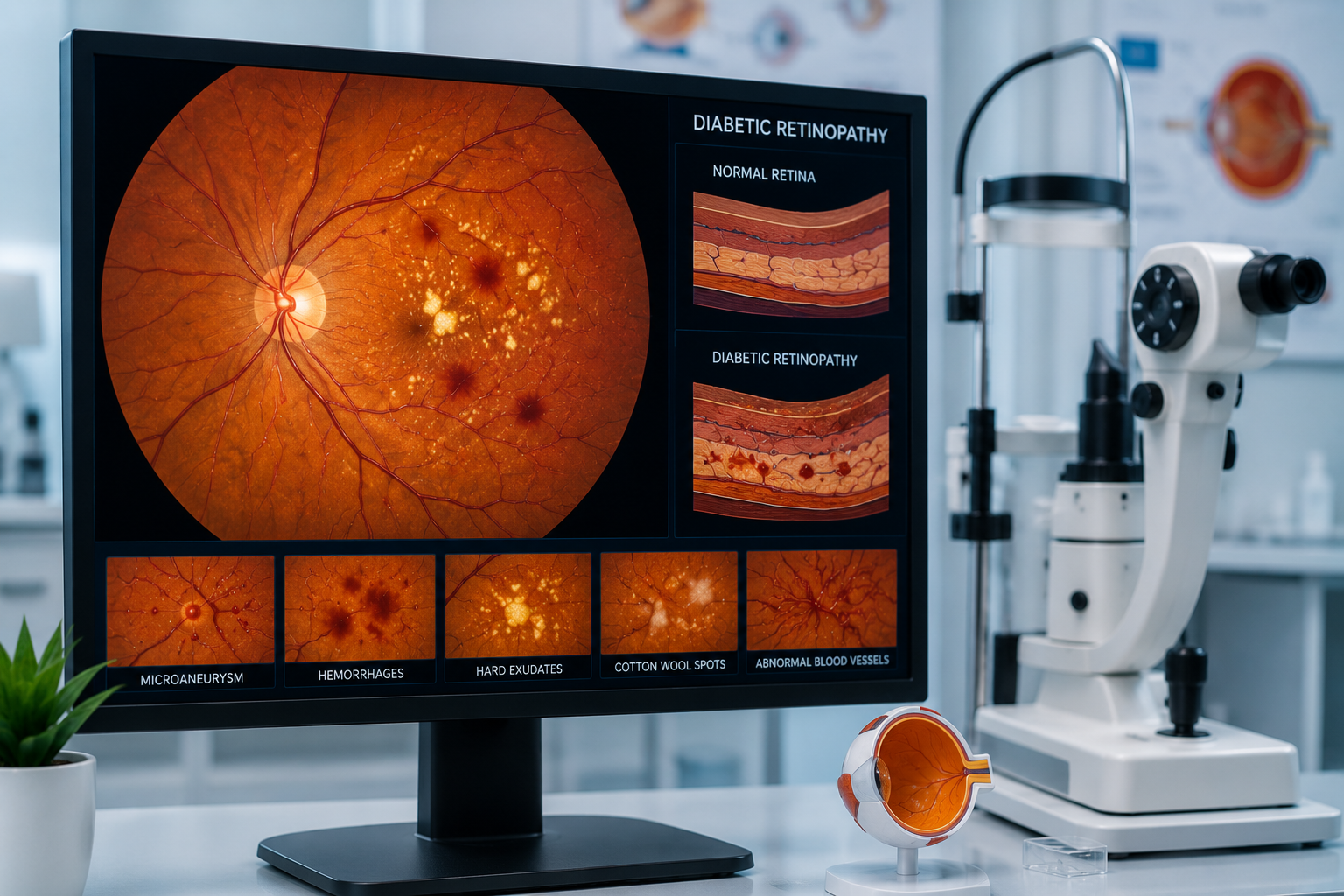
Diabetic retinopathy is a disease that is caused by high blood sugar accumulation, which harms blood vessels in the retina- the light-sensitive tissue at the back of your eye that is crucial to your vision. Damage to blood vessels leads to leakage of fluid or blood, resulting in blurred vision and possible blindness when it is not treated. This condition usually progresses over time without any apparent symptoms in the initial stages.
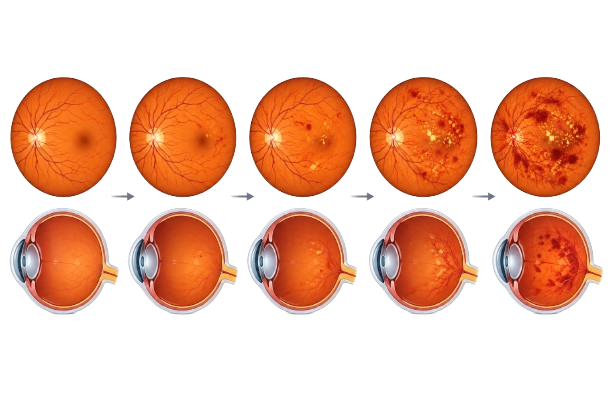
When you become aware of vision changes, there can be a lot of damage done. This is the reason why eye check-ups are very important to all diabetes patients. There are several stages of diabetic retinopathy: nonproliferative (mild, moderate, severe) and proliferative (advanced). The stages involve various risks and will demand dissimilar treatment methods. Our specialist in Best Diabetic Retinopathy in Shivaji Nagar can perfectly diagnose your stage and prescribe the right treatment.
Unmatched Accuracy
Computer algorithms scan the anatomy of your eye in 3D, giving you the accuracy of every incision being precisely where it is required.
Minimal Tissue Damage
Laser is microscopically precise, which minimizes the trauma to the surrounding tissues.
Quicker Recovery
Slit incisions of a smaller size cause a faster recovery and earlier return to vision.
Improved Visual Results
Laser-assisted surgery has been associated with improved visual results as reported by many patients.
Less Astigmatism
The technology has the capability of correcting already existing astigmatism in the same procedure.
Stages of Diabetic Retinopathy
Nonproliferative Diabetic Retinopathy (NPDR)
Mild NPDR is characterized by the presence of small balloon-like swelling of the blood vessels in the retina, known as microaneurysms- the first evidence of retinal damage. At this point, you are usually symptom-free, and vision is normal. Moderate NPDR is a condition whereby additional blood vessels get blocked, decreasing the blood flow to the retina. Cotton-wool spots and hard exudates appear, which means that the retinal stress increases.
In severe NPDR, the retinal blood vessels become blocked, and the retina in large regions becomes without oxygen. Vision can be clear; however, close observation is necessary.
Proliferative Diabetic Retinopathy (PDR)
PDR is the severe form in which the retina develops new abnormal blood vessels that develop on its surface. These weak vessels burst easily, leading to excessive bleeding and instant loss of sight. PDR must be treated urgently to avoid blindness. We have a Diabetic Retinopathy Doctor in Shivaji Nagar who can diagnose your level of disease and prescribe proper treatment to stop the condition.
Comprehensive Treatment Options for Diabetic Retinopathy Treatment In Shivaji Nagar
The approach to the treatment of diabetic retinopathy varies based on the stage of the disease, its severity, and the patient’s general condition.
Various evidence-based strategies have been provided in our hospital to maintain and enhance vision.
Various evidence-based strategies have been provided in our hospital to maintain and enhance vision.
01
Laser Photocoagulation
Laser therapy involves the intense light that seals bleeding blood vessels or kills new vessels that are abnormal. This is a 15-30-minute office procedure, and it may involve several sessions. Focal laser is focused on the leaking microaneurysms that lead to macular edema, whilst the scatter laser treatment lowers the oxygen requirements of the entire retinal surface, thereby avoiding the development of proliferative disease.
02
Anti-VEGF Injections
Intravitreal injections of anti-VEGF inhibit the vascular endothelial growth factor, which is a protein that stimulates the formation of abnormal blood vessels. The injections have been used as a direct injection into the eye and have been effective in reducing swelling and improving vision. Treatment is characterized by monthly injections, with the results getting better over the weeks. This therapy has resulted in a significant improvement in vision in many patients.
03
Vitrectomy Surgery
Vitrectomy can be required in the case of advanced cases with a great vitreous hemorrhage or severe proliferative disease. It is a minimally invasive surgery that involves the removal of blood and scar tissue in the inner part of the eye that enhances the transmission of light and vision. We apply the latest vitreoretinal methods so that our surgeons can take off the problem tissue at the expense of the healthy retina.
Risk Factors and Prevention
Knowledge of risk factors can prevent or delay the development of diabetic retinopathy. The main risk factor is uncontrolled blood sugar- keeping target blood sugar means that the chances of retinopathy are cut by 76%.
Hypertension is as important as blood sugar control because high blood pressure is a quicker way to cause damage in the retina. Risk is also posed by high cholesterol, which is to be managed with diet, exercise, and medication.
Prevention Strategies:
- Close glycemic regulation with diet and medications.
- Maintain cholesterol levels with healthy living.
- Eat a healthy, balanced diet high in vegetables.
- Have regular eye checkups once or twice a year.
- Check blood pressure often and maintain it at target levels.
- Engage in physical activity and maintain a healthy body weight.
- Quit smoking completely
Advanced Diagnostic Technology for Diabetic Retinopathy Doctor in Shivaji Nagar
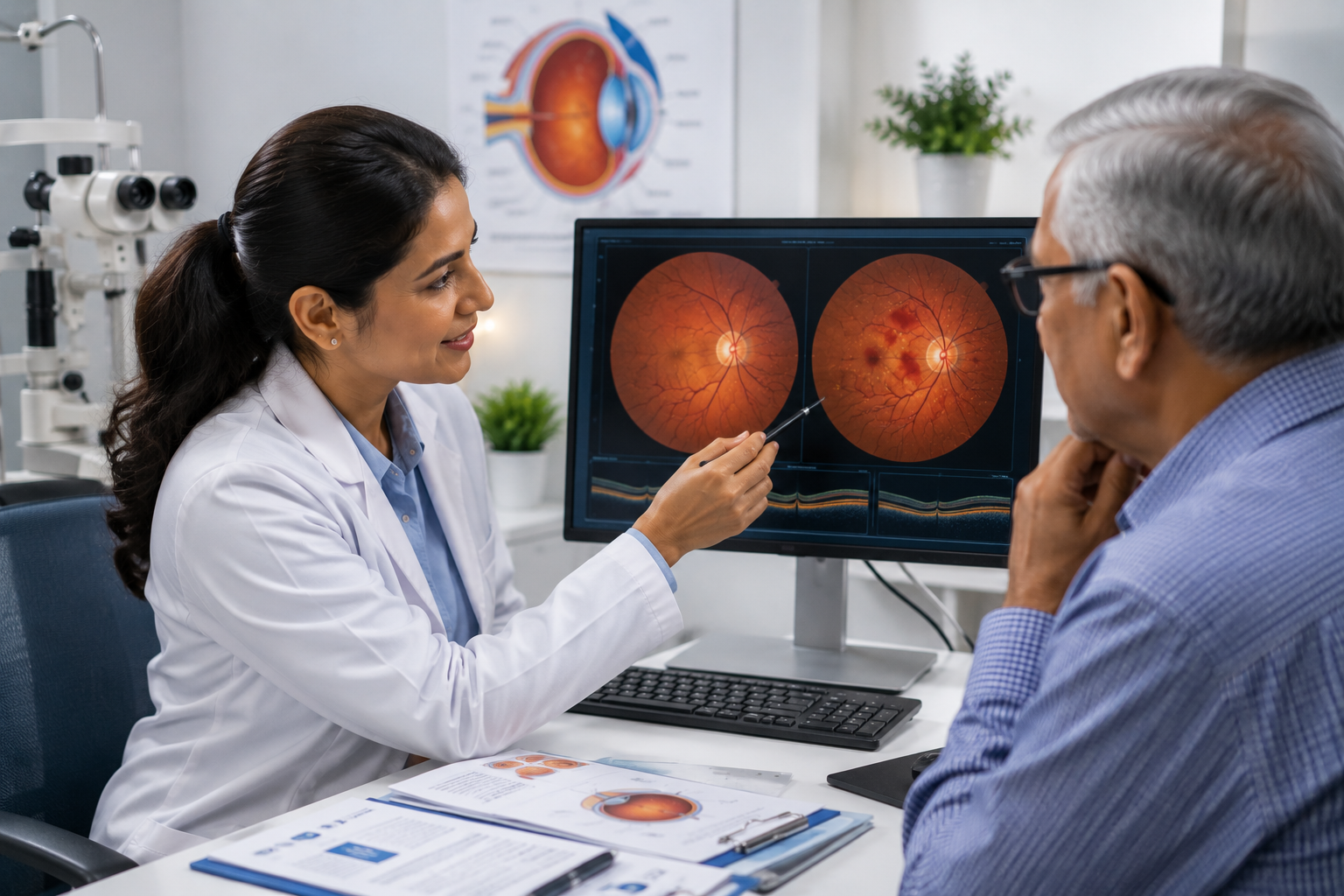
Early detection is essential for successful management. Raghav Eye Hospital is equipped with the latest diagnostic facilities to detect retinal damage at the earliest level, usually before the symptoms set in.
Optical Coherence Tomography (OCT)
has detailed cross-sectional images of the retina, showing minute structural changes and fluid build-up. This is a non-invasive imaging technique that identifies diabetic macular edema prior to the onset of vision problems and accurately assesses the retinal thickness.
Fundus Fluorescein Angiography (FFA)
is a technique that involves the use of special dye and photography to trace the patterns of blood flow and detect leaking vessels. This indicates retinal damage and defines emergent areas of treatment.
Digital Retinal Photography
is a high-resolution picture of your retina that is photographed to record and be compared over time. When comparing photos taken every year, one can see some slight variation that would not be detected with the naked eye. Our experts read these pictures professionally in order to design individual treatment plans.
Why Choose Raghav Eye Hospital
When treating diabetic retinopathy, experience counts. Our staff is a blend of caring and expertise in medicine. Each ophthalmologist has specialized training in vitreoretinal diseases and uses the latest treatment technologies.
We discuss your condition and treatment in a manner that enables you to be actively involved in your treatment. Educated patients have a higher outcome and compliance. We have high standards of quality in our facility, where approved medications and equipment by the FDA are used. We offer follow-up care that is extensive and guarantees the success of the treatment and early detection of complications.
Post-Treatment Care and Follow-Up
Effective treatment is reliant on effective post-care and frequent follow-up. We offer specific guidelines on each type of treatment, such as activity and medication regimes. Follow-up appointments to schedule follow-up visits, as suggested, usually 1-2 weeks following treatment.
Constant checks identify complications early and enable changes in treatment in case it is necessary. Even after stabilizing the vision, most patients need continuous monitoring. It is necessary to keep the level of blood sugar and blood pressure within the limits of success in the long term. We liaise with your primary care doctor and endocrinologist to help with the comprehensive management of diabetes.
Frequently Asked Questions
Is diabetic retinopathy totally curable?
There is no cure, but early treatment prevents the disease and saves the vision. Close blood sugar regulation helps avoid relapse and the development of new damage.
How frequently should diabetics have eye tests?
It is advised that comprehensive annual eye examinations be done in a dilated form, or more often, if retinopathy is identified.
Are diabetic retinopathy vision impairments permanent?
Treatment may be beneficial to restore early-stage vision loss, but more severe damage is usually irreversible. Early intervention is crucial.
Do I have to undergo several treatments?
The majority of patients need several treatments. Anti-VEGF usually requires monthly injections; lasers might require 1-3 sessions; others may require combination therapy.
Do lifestyle changes reverse diabetic retinopathy?
Lifestyle changes prevent progression and new damage, but don’t reverse existing damage. Strict blood sugar management and medical therapy are necessary.
EXCELLENTTrustindex verifies that the original source of the review is Google. The team here is exceptionally professional and uses the latest technology for a precise exam. The doctor explained everything clearly, making me feel completely confident in my care. I highly recommend this clinic for anyone seeking top-tier eye health services."Posted on GoogleTrustindex verifies that the original source of the review is Google. Good hospital, my eye surgery secessfuully done.Posted on GoogleTrustindex verifies that the original source of the review is Google. Nice carePosted on GoogleTrustindex verifies that the original source of the review is Google. Nice experiencePosted on GoogleTrustindex verifies that the original source of the review is Google. Very good servicePosted on GoogleTrustindex verifies that the original source of the review is Google. Good ServicePosted on GoogleTrustindex verifies that the original source of the review is Google. It was nice experience with the doctor. All our queries were answered. I will recommend the doctor to othersPosted on GoogleTrustindex verifies that the original source of the review is Google. Dr. Sarika Sethia and her entire staff are extremely understanding and compassionate. They make sincere efforts to ease patients’ personal fears and provide the best possible treatment, ensuring complete satisfaction. The service and hospitality at Raghav Eye Hospital are truly excellent—I wholeheartedly appreciate it. My heartfelt thanks to Dr. Sarika and her entire team, along with best wishes for their continued success in the future.