Pediatric Ophthalmologist In Deccan
- Home
- Pediatric Ophthalmologist
Best Pediatric Ophthalmologist In Deccan - Because "Kids Will Be Kids" Isn't Always the Right Answer
Let’s just say that taking your child to any doctor is already stressful enough. Now throw “eye specialist” into the mix, and most parents freeze a little. Does she actually need glasses, or is she just being dramatic? Is squinting a phase? Why does the teacher keep saying he can’t see the board properly? If you’re here searching for a pediatric ophthalmologist in Deccan, one of these questions probably brought you here, and honestly, checking instead of waiting it out is exactly the right call.
Kids’ eyes aren’t just tiny adult eyes. They’re still growing, still figuring themselves out, and something that would be a small inconvenience for a grown-up can quietly shape how a child learns, plays, and even makes friends if nobody catches it in time. That’s the whole reason pediatric eye care can’t just be handed off to any general eye clinic; it needs someone who genuinely knows how to examine a wriggly, slightly nervous three-year-old and still get an accurate read on what’s going on.
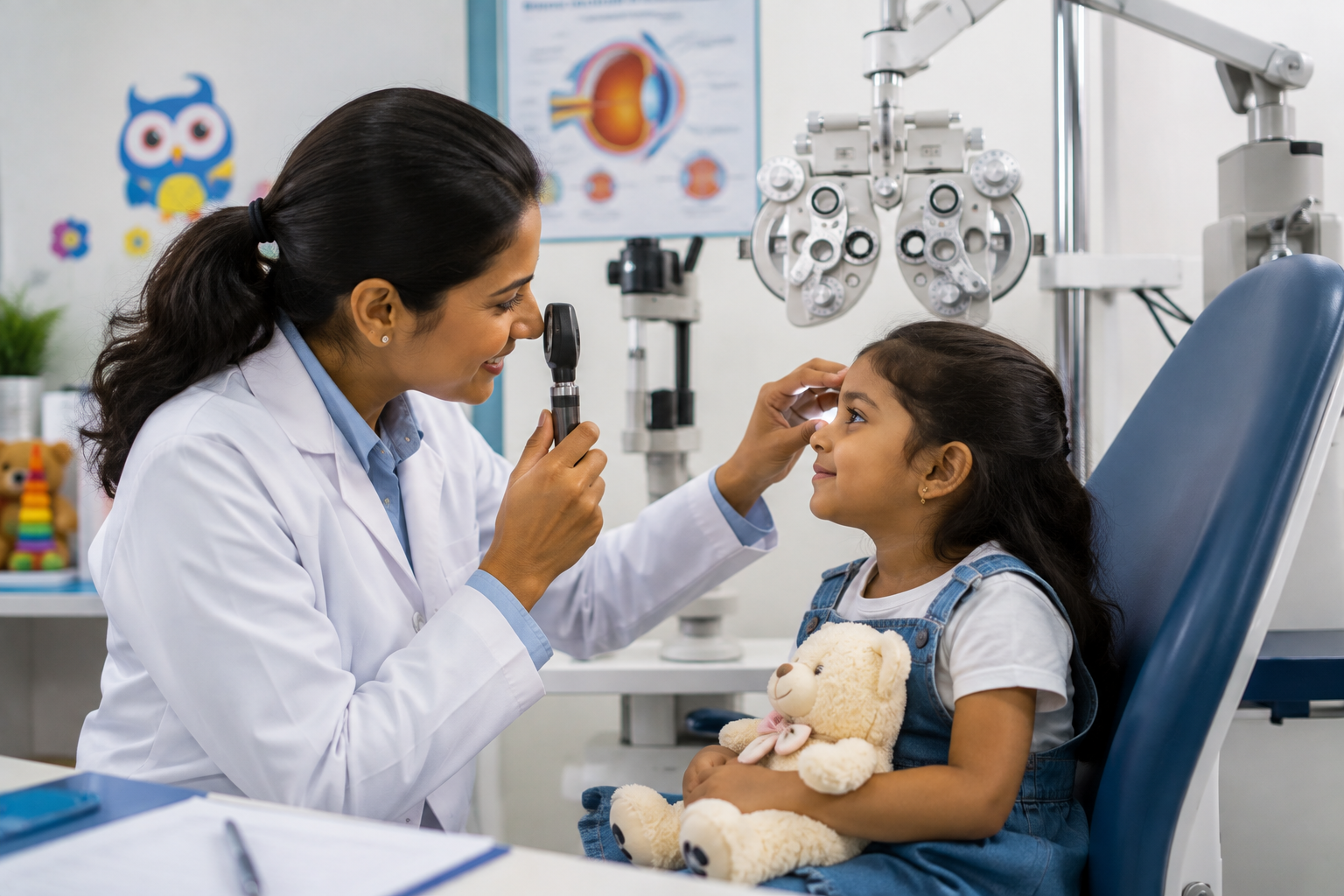
Best Pediatric Ophthalmologist At Raghav Eye Hospital
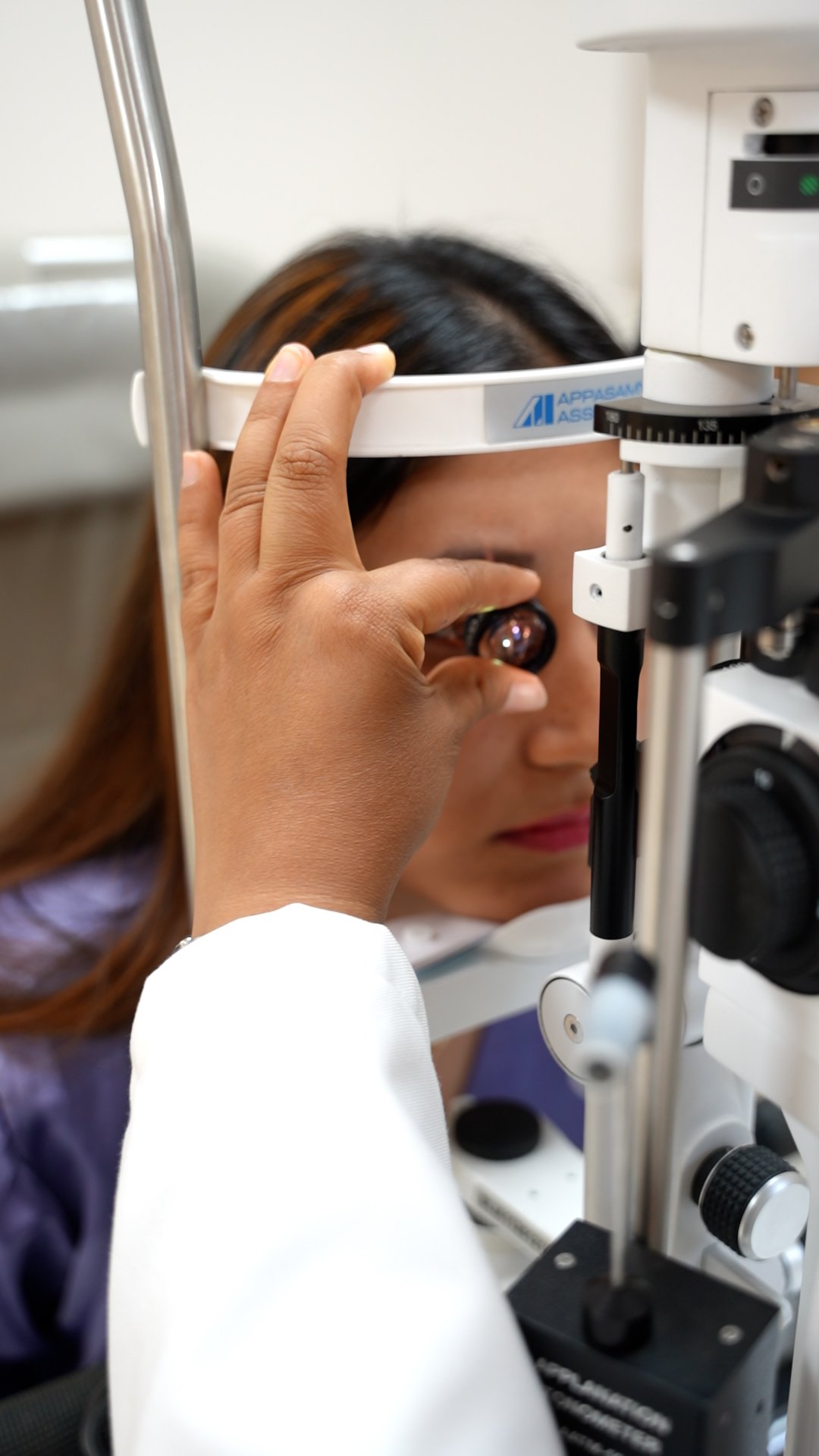
Why a Specialist Actually Matters Here
Here’s something most parents don’t realise until they’re sitting in the waiting room: a regular eye doctor and a pediatric eye specialist in Deccan are trained in very different ways. Little kids can’t exactly tell you, “Mom, my left eye feels weaker.” They’ll just tilt their head a bit oddly, sit way too close to the TV, or seem clumsier than their friends and honestly, it takes real, hands-on experience to connect those tiny clues back to an actual eye condition.
The Small Signs Parents Usually Miss
Kids don’t walk up and casually announce, “I think I need glasses.” It shows up in tiny, easy-to-brush-off behaviours instead:
- Sitting way too close to the TV, or holding books almost against their nose
- Squinting or shutting one eye just to focus properly
- Rubbing their eyes a lot, even when they're clearly not sleepy
- One eye that seems to drift or not track along with the other
- Headaches that pop up after reading or screen time
- Struggling at school even while trying hard sometimes it genuinely isn't attention, it's vision
- Consistently tilting the head to one side while looking at things
If even one of these feels familiar, get it checked. With kids’ eyes, waiting rarely helps earlier really is better, almost every single time.
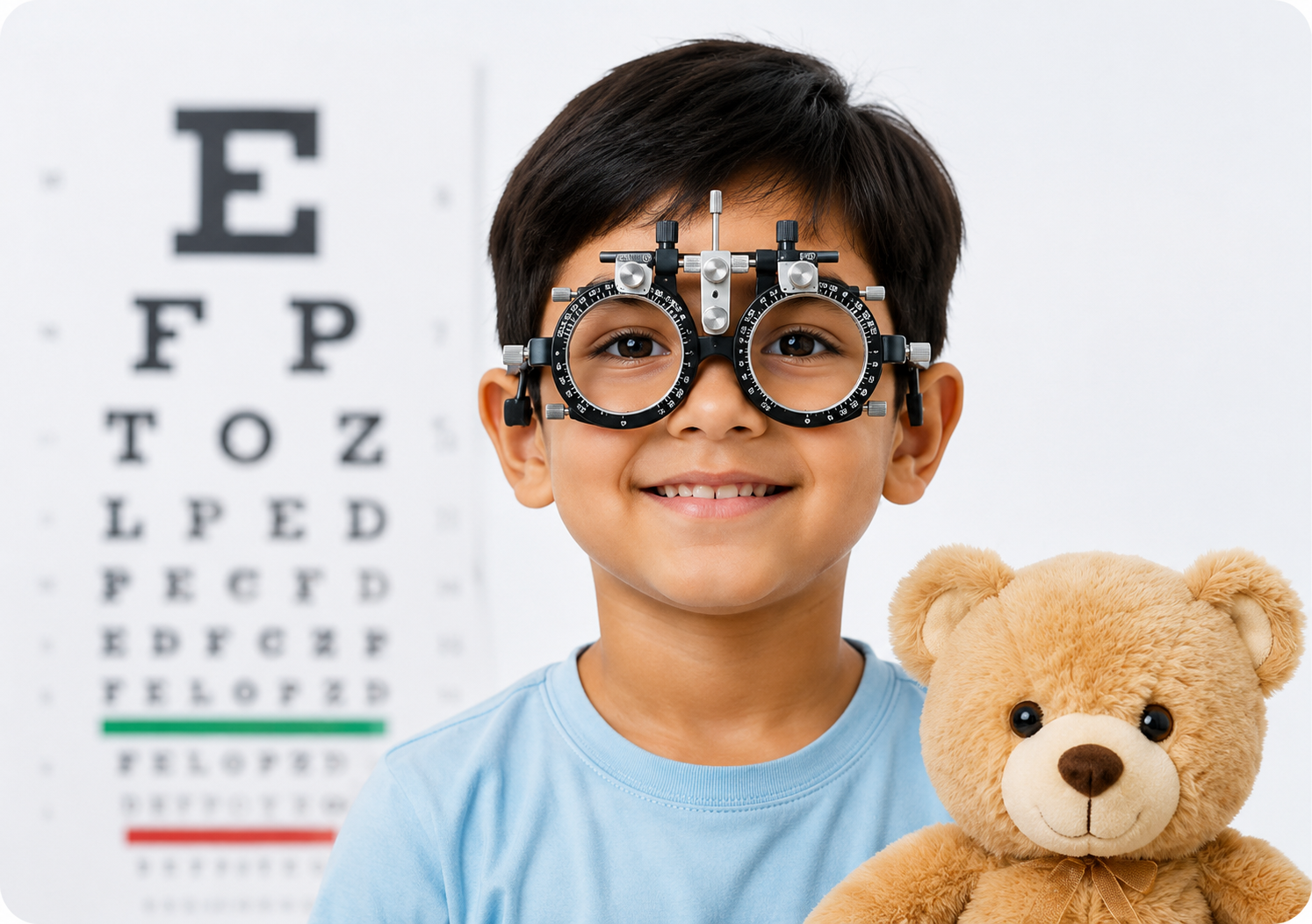
What an Eye Exam Actually Looks Like for Your Child
We know clinics can feel intimidating for a child, so the whole visit is built to feel more like a friendly chat than a medical procedure.
Vision screening
happens in age-appropriate ways: pictures and shapes for toddlers, standard letter charts once kids are old enough to read them.
Eye alignment and movement checks
help catch things like strabismus (crossed eyes) or lazy eye early, exactly when treatment works best.
Refraction testing
figures out whether glasses are needed, and if so, the precise power required.
Dilated eye exams
let our specialists look deep inside, checking the retina and optic nerve for anything that wouldn't show up on a surface-level look.
Colour vision and depth perception checks
get included when relevant too, since these quietly affect how kids read, play sports, and just move through the world.
Why Parents Keep Coming Back to Us
Young children rarely describe vision problems clearly, so it usually falls on parents to catch the quieter signs sitting unusually close to screens, holding books right up to the face, frequent eye rubbing, one eye consistently drifting, tilting the head to see better, or headaches after reading. Worth a proper check even if each one seems minor on its own.
None of it automatically means something’s seriously wrong, but it’s reason enough for an actual evaluation rather than waiting to see if it just sorts itself out.
Conditions We See and Treat Regularly
01
Amblyopia (Lazy Eye)
This happens when one eye just doesn’t develop proper vision, usually because the brain starts leaning on the stronger eye instead. Left alone, it can cause permanent vision loss in the weaker eye but caught early, it responds really well to patching or corrective lenses.
02
Refractive Errors
Nearsightedness, farsightedness, astigmatism show up in young kids more often than people expect, and correcting them early with the right glasses genuinely changes how a child performs, both at school and just in everyday life.
03
Congenital Eye Conditions
Some babies are born with things like congenital cataracts or blocked tear ducts. These need early, specialised care fast, since a baby’s window for healthy visual development is short and pretty unforgiving.
04
Eye Injuries and Infections
Kids fall, kids poke themselves with random objects, kids rub infected eyes without washing their hands first it happens constantly. Having a pediatric eye hospital in Deccan that can respond quickly makes a real difference in how these situations turn out.
Why Catching This Early Actually Matters So Much
A child’s visual system develops at lightning speed in those first few years, and there’s a real window where problems can be corrected far more effectively than if you wait. Miss that window, and even solid treatment later just can’t do as much. This is exactly why pediatric eye check-ups deserve the same seriousness as vaccinations or routine pediatrician visits, not something you push off until “someday.”
Take the First Step Toward Clearer Vision
Allow not cataracts to darken the world. The most modern cataract surgery types are available at Raghav Eye Hospital in Shivaji Nagar. Our excellence, patient safety, and high-quality results make us the choice of thousands of patients who are satisfied with us.
Make an appointment to get your full eye test. Get in touch with Raghav Eye Hospital to know about LenSx Laser Cataract Surgery in Shivaji Nagar and find out how we make you see the world again in its crystal clear.
This is the start of your vision change.
Frequently Asked Questions
At what age should my child get their first eye exam?
Around 6 months for a basic check, again near age 3, and once more before school starts. Sooner if there’s any family history of eye issues.
How do I know if my kid actually needs glasses?
Watch for sitting too close to screens, squinting, headaches, or trouble seeing the board at school. A proper exam will confirm it accurately either way.
Can lazy eye be treated at any age?
It works best when caught before age 7 or 8, while the visual system is still developing. Waiting too long makes treatment noticeably less effective.
Does crossed eyes always mean surgery?
Not really. Plenty of cases respond well to glasses or eye exercises first. Surgery only comes into play when those options don’t correct the alignment.
Are eye exams stressful for young kids?
Not usually. Most tests are quick and gentle, designed specifically to keep children calm and cooperative the whole way through.
How often should follow-ups happen?
Depends on the diagnosis, but typically every six months to a year more often if your child is under active treatment.
EXCELLENTTrustindex verifies that the original source of the review is Google. The team here is exceptionally professional and uses the latest technology for a precise exam. The doctor explained everything clearly, making me feel completely confident in my care. I highly recommend this clinic for anyone seeking top-tier eye health services."Posted on GoogleTrustindex verifies that the original source of the review is Google. Good hospital, my eye surgery secessfuully done.Posted on GoogleTrustindex verifies that the original source of the review is Google. Nice carePosted on GoogleTrustindex verifies that the original source of the review is Google. Nice experiencePosted on GoogleTrustindex verifies that the original source of the review is Google. Very good servicePosted on GoogleTrustindex verifies that the original source of the review is Google. Good ServicePosted on GoogleTrustindex verifies that the original source of the review is Google. It was nice experience with the doctor. All our queries were answered. I will recommend the doctor to othersPosted on GoogleTrustindex verifies that the original source of the review is Google. Dr. Sarika Sethia and her entire staff are extremely understanding and compassionate. They make sincere efforts to ease patients’ personal fears and provide the best possible treatment, ensuring complete satisfaction. The service and hospitality at Raghav Eye Hospital are truly excellent—I wholeheartedly appreciate it. My heartfelt thanks to Dr. Sarika and her entire team, along with best wishes for their continued success in the future.