Colour Blindness Treatment in JM Road

Colour Blindness Treatment in JM Road

A mother once brought her seven-year-old in because his teacher kept sending home notes about “colouring outside the instructions” , greens turning into browns, reds into greys. The boy wasn’t being careless. He genuinely saw those shades that way. Nobody had thought to test his eyes because, well, why would you? He could read the blackboard fine, wasn’t squinting, nothing about him screamed “vision problem.” That’s usually how colour blindness sneaks past people; it doesn’t announce itself the way blurry vision does.

We handle a fair number of cases like this at Raghav Eye Hospital, and Colour Blindness Treatment in JM Road has genuinely become one of those services more people are asking about, partly because certain jobs, driving licenses, and even school admissions now ask for colour vision certificates. Adults show up for that paperwork reason alone and end up discovering something about their own eyes they’d never questioned before.

Colour Blindness Treatment in Shivaji Nagar

Colour Blindness At Raghav Eye Hospital

Colour Blindness Diagnosis in Shivaji Nagar

Let's Clear Up What This Actually Is

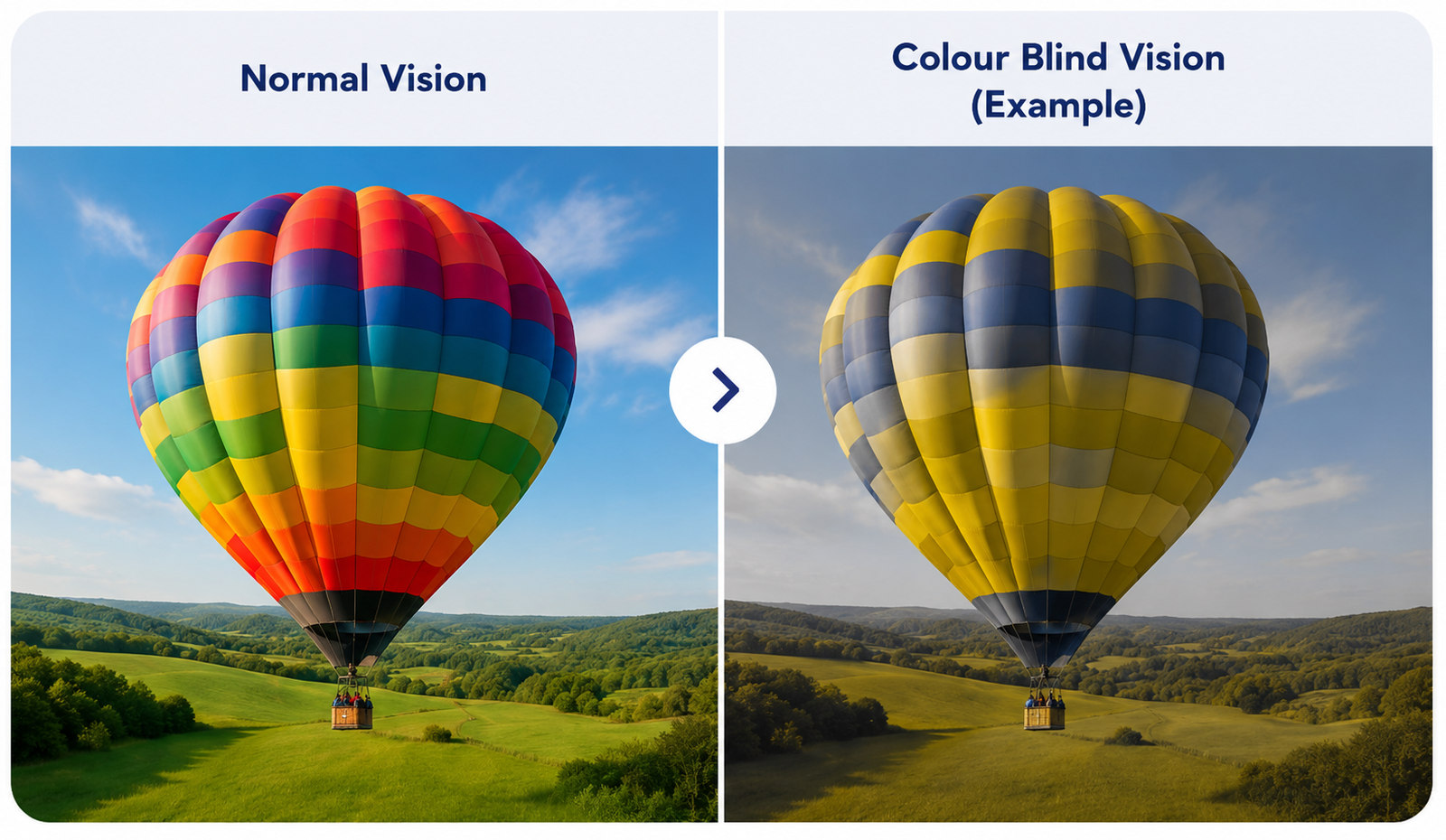
Despite the name, almost nobody with colour blindness sees the world in black and white that’s an extremely rare version of it. What actually happens is certain colours end up looking muted or nearly identical to each other, sometimes swapped entirely. Reds and greens get mixed up most often. Blue-yellow confusion happens too, just less commonly.
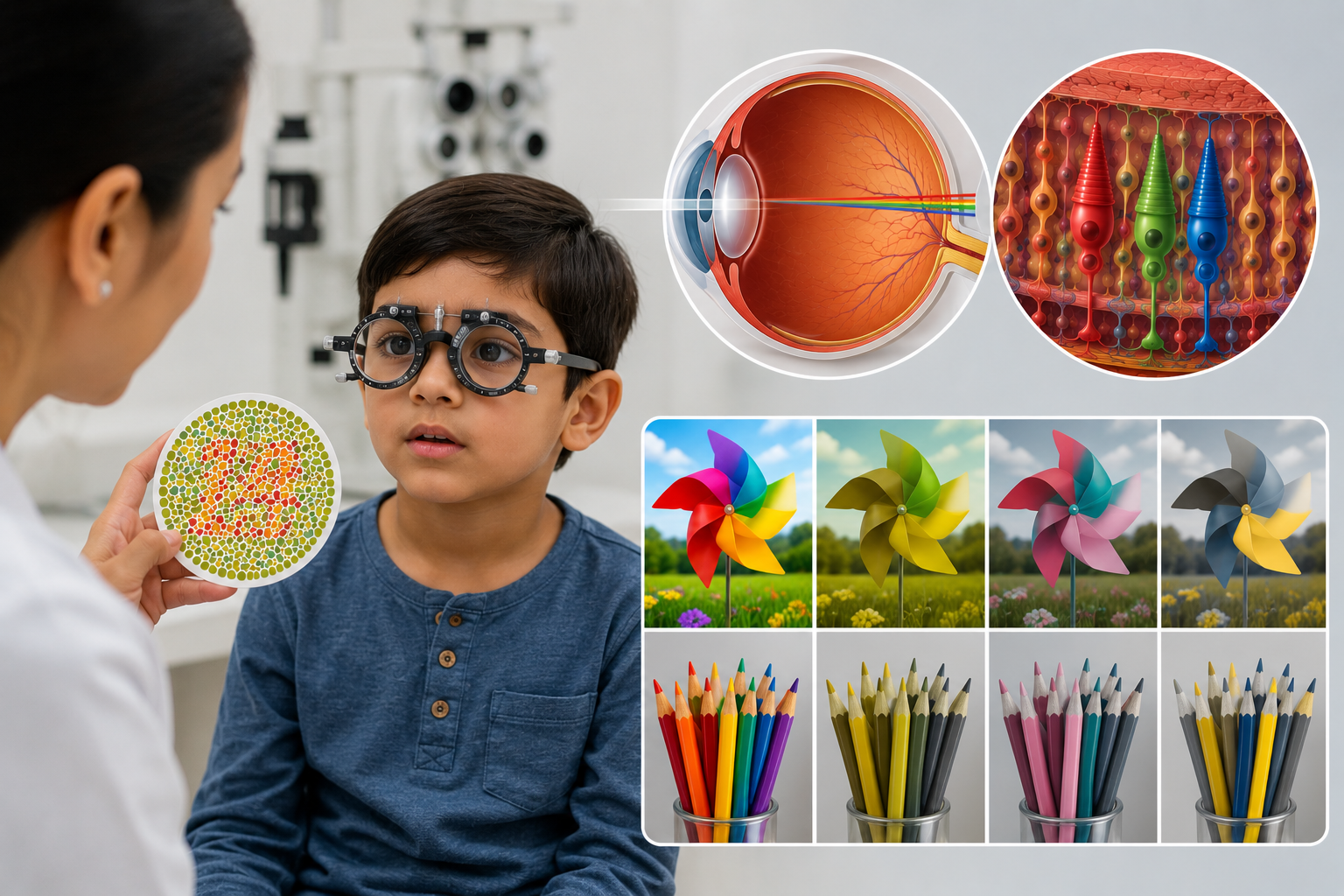
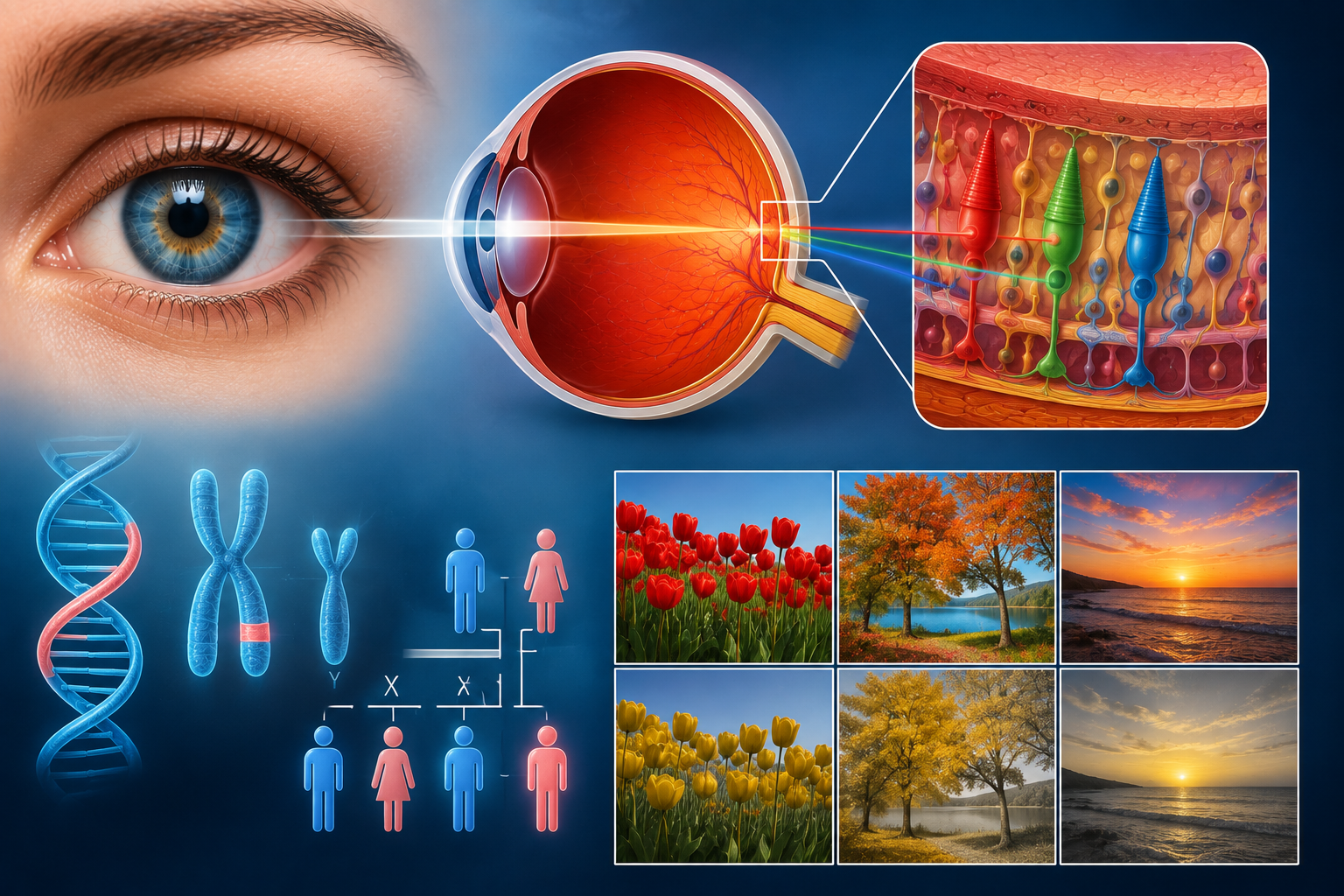
The reason comes down to cone cells sitting in your retina, the cells responsible for picking up colour. Most people carry three types, each tuned to red, green, or blue wavelengths. When one type is missing, underdeveloped, or just not firing correctly, your brain ends up piecing together an incomplete signal, and that's what shows up as colour confusion.

Most of the time it's genetic, present from birth, and shows up far more in men because of how the responsible gene sits on the X chromosome. But it's not always inherited, certain medications, eye conditions, ageing, even chemical exposure can cause it to develop later, something a lot of people don't know is possible.

Why Bother Getting It Diagnosed

Plenty of people spend years assuming they just have “bad colour sense,” brushing it off as a personal quirk rather than something with an actual explanation. It usually takes someone else pointing out a mix-up more than once before the thought even crosses their mind.

That’s exactly where Colour Blindness Diagnosis in JM Road earns its keep. It’s not just about slapping a yes-or-no label on someone, it’s about pinning down the type and severity, since mild red-green deficiency plays out very differently day-to-day compared to a stronger form. Knowing where you land changes a lot of career choices, how you approach certain tasks, even just understanding why something’s always felt harder than it should.

Colour Blindness Specialist in Shivaji Nagar

How We Actually Test For It

01

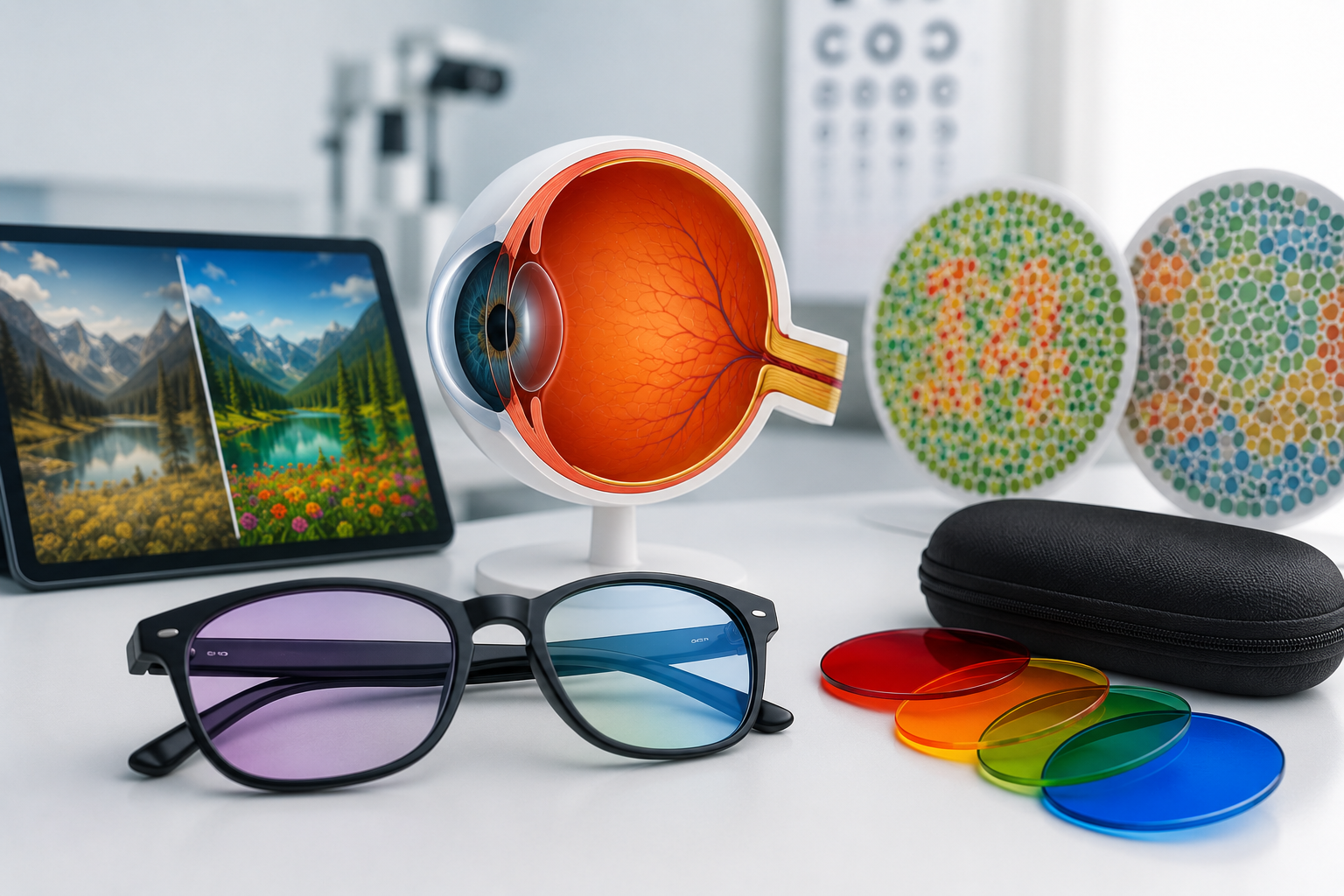
Most people have seen an Ishihara plate at some point without knowing its name; those circular clusters of coloured dots hiding a number that only shows up if your colour vision is working the way it should. It’s fast, dependable for screening, and almost always where we start.

02

Depending on what that shows, we sometimes go further anomaloscope testing to nail down severity more precisely, or Farnsworth-Munsell testing to map exactly which part of the spectrum is causing trouble. This level of detail tends to matter most for people needing certification for specific fields aviation, railways, police work, certain technical roles where telling colours apart is genuinely part of the job.

Worth Getting Checked If You Notice

Colour Blindness Treatment In Shivaji Nagar

So, Is There Actual Treatment

Fair question, and probably the one we get asked most. If it’s inherited, there’s no way right now to fundamentally rewire how those cone cells work that’s locked into the genetics. What we can do is help manage things in ways that make a real, day-to-day difference.

Specially tinted lenses filter certain wavelengths of light in a way that sharpens colour contrast for a lot of patients, enough that shades which used to blur together start standing apart. It’s not a fix, and results vary, but for mild to moderate red-green cases, it genuinely helps more than people expect.

If the colour blindness showed up later in life because of something else cataracts, a retinal issue, a medication side effect treating that underlying cause can sometimes bring colour perception back as a bonus. Which is exactly why getting the diagnosis right matters before anyone jumps to conclusions about what treatment even makes sense.

What Our Colour Blindness Specialist in JM Road Actually Does

Most patients walk in expecting a simple yes-or-no, and are a little surprised at how much more there is to unpack. Our Colour Blindness Specialist in JM Road takes the time to explain the type of deficiency involved, how it’s likely to show up in everyday situations, and whether tinted lenses would realistically help in that specific case, not a generic answer, an actual one based on your results.

This matters even more when it’s a child being tested. Catching it early means teachers and parents can adjust colour-coded worksheets, labelled supplies instead of a kid quietly assuming they’re just bad at something everyone else finds effortless.

Frequently Asked Questions

Is there a permanent fix for colour blindness?

Not for the inherited kind that’s built into how the cone cells work. Tinted lenses can help manage it day-to-day, but they don’t reverse the actual cause.

Why does it show up more in men?

It’s tied to the X chromosome, which is why men end up affected far more often than women.

Can it develop later in life?

Yes. Certain medications, eye diseases, or aging can trigger it, separate entirely from the inherited form.

What does testing involve?

Usually starts with Ishihara plates, followed by more detailed anomaloscope or Farnsworth-Munsell testing if precision or certification is needed.

Do tinted glasses genuinely help?

For a lot of people with mild to moderate red-green deficiency, yes noticeably better colour contrast, though it varies from person to person.

When should a child get tested?

Around four or five is a good window, especially with a family history or if a teacher keeps mentioning colour mix-ups.

Video Testimonials

Vision Care That Patients Trust

Scroll to Top
Call Now Button