

Retina Specialist In Deccan
- Home
- Retina Specialist
Retina Treatment In Deccan - Some Things Just Can't Wait, and This Is One of Them
There’s a particular kind of fear that hits when someone says “it might be your retina.” Cataracts, dry eyes, even glaucoma most people have heard those words before. Retina feels different. Suddenly you’re imagining the worst, wondering if this is even fixable, or if you’ve already waited too long. Take a breath. If you’re searching for a retina specialist in Deccan, you’re already doing the one thing that matters, getting it looked at instead of quietly hoping it sorts itself out.
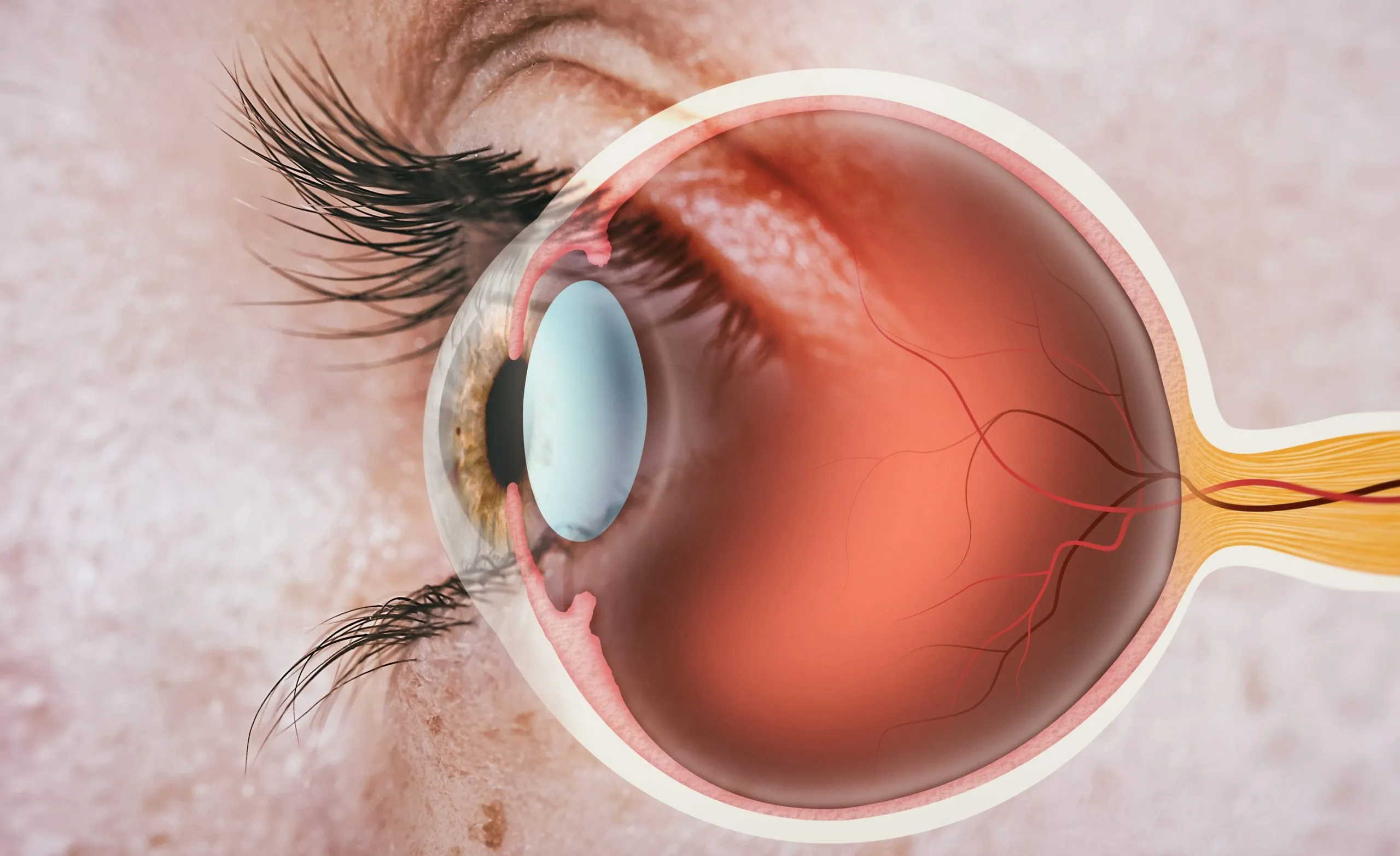
We hear this fear all the time, and honestly, it’s not unreasonable. The retina is the part of your eye that captures what you see and sends it to your brain, basically the film inside the camera.
Retina Specialist At Raghav Eye Hospital
What Does a Retina Specialist Actually Do
A general ophthalmologist handles your everyday eye health glasses, cataracts, routine screenings. A retina specialist in Deccan has gone through extra years of focused training specifically on the back of the eye, the retina, the macula, the vitreous, and the blood vessels feeding that whole area. That’s not a small difference. Retina conditions often need specialised imaging, laser tools, and sometimes microsurgery that a general eye doctor simply isn’t set up to handle.
Our imaging technology, such as Optical Coherence Tomography (OCT), Fundus Fluorescein Angiography (FFA), and digital retinal imaging, is state-of-the-art. These instruments assist us in detecting retinal issues at the earliest, when they are most responsive to treatment.
Why People Trust Us as Their Retina Eye Hospital In Deccan
When something’s genuinely wrong with your retina, the last thing you want is to be bounced between departments or left waiting weeks for a clear answer. As a dedicated retina eye hospital in Deccan, our focus is fast, accurate diagnosis paired with a treatment plan that’s actually explained to you, not just handed over on a prescription slip.
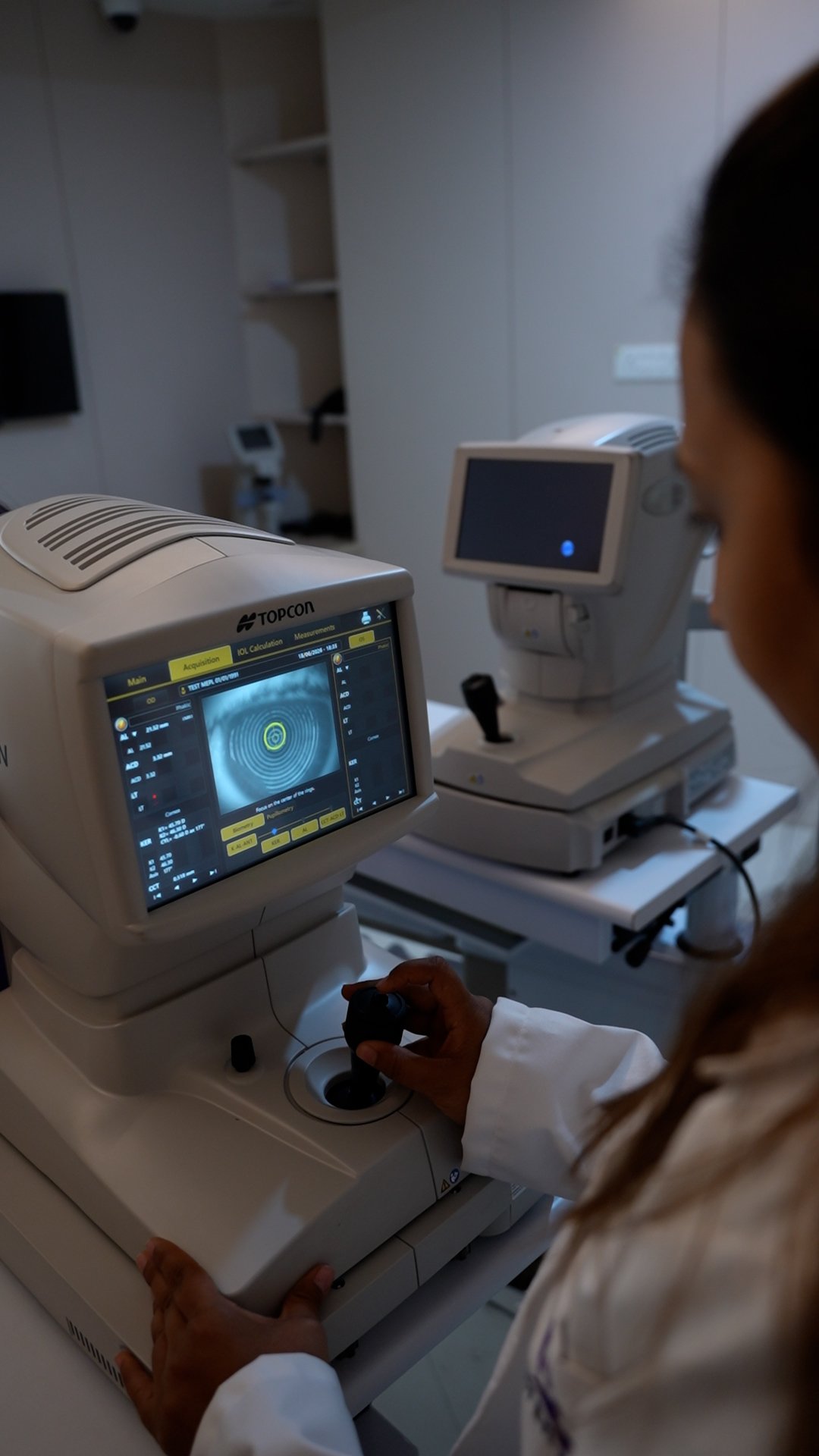
What patients say matters most, beyond the equipment and credentials, is that we don’t hurry them along. Retina problems are frightening enough without feeling like patient number twelve on a packed schedule.
Our team, often called the best retina specialist in Deccan by patients who’ve been through this, takes time to explain findings clearly, talk honestly about realistic outcomes, and stay involved through every follow-up, not just the first visit.
How We Actually Get to the Bottom of It
Figuring out what’s going on with the retina takes more than a standard eye chart. When patients come in for retina treatment in Deccan, we typically run a combination of these, depending on the situation:
Dilated retinal examination
gives our specialists a wide, clear view of the retina checking for tears, detachment, bleeding, or other changes.
B-scan ultrasound
comes in when the view inside the eye isn't clear, letting us check the retina's structure even through blood or cloudiness.
Visual field testing
maps out exactly how much of your vision is affected, and where.
We always explain what these scans actually show, in plain words. A screen full of medical images with no explanation is more stressful than helpful, and we’d rather you leave understanding what’s happening than holding a confusing printout.
Conditions We See and Treat Often
01
Diabetic Retinopathy
If you’ve had diabetes a while, the tiny blood vessels in your retina risk damage, leaking, or abnormal growth. Left unchecked, it’s a leading cause of preventable blindness. With regular monitoring and timely laser or injection treatment, vision can usually be protected well.
02
Age-Related Macular Degeneration (AMD)
This targets the macula, the part of the retina responsible for sharp, central vision the kind you need for reading or recognising a face. It’s more common with age, and while it can’t always be fully reversed, anti-VEGF injections slow it down significantly and help preserve remaining vision.
03
Retinal Detachment
A genuine emergency, where the retina literally pulls away from the back of the eye. Flashes, sudden floaters, or a creeping shadow are classic warning signs. Surgery, often the same day or within hours, is usually needed to save the vision.
04
Macular Hole and Epiretinal Membrane
Structural changes at the macula that blur or distort central vision.
05
Retinal Vein Occlusion
Treatment mostly focuses on controlling that swelling and preventing further complications.
Warning Signs People Keep Ignoring (Please Don't)
Retina problems have a habit of sneaking up quietly, and plenty of patients tell us afterward that they brushed off symptoms for weeks before finally walking in. Don’t be one of those stories. Watch for
- Sudden flashes of light, especially off to the side
- A noticeable jump in floaters those specks or squiggly lines drifting across your vision
- A dark shadow or curtain creeping in from one edge of your sight
- Blurry or distorted central vision, where straight lines suddenly look wavy
- Sudden, painless vision loss in one eye
- Trouble seeing in dim light, or colours seeming duller than usual
Living With a Retina Condition - It's Not the End of the Story
A retina diagnosis doesn’t automatically mean permanent vision loss, and we really want people to hear that part clearly. Plenty of conditions, caught early, are very manageable through injections, laser treatment, or sometimes just careful ongoing monitoring. Even conditions that can’t be fully reversed, like advanced AMD, often respond well enough that patients keep functional, independent vision for years. The one thing that matters, every single time, is not waiting until symptoms become unbearable before getting checked.
Frequently Asked Questions
How urgent is a retina problem, honestly?
Depends on what’s happening. Sudden flashes, floaters, or a shadow across your vision need attention within hours, not days. Other things, like early diabetic retinopathy, get monitored more gradually.
Can a detached retina actually be fixed?
Yes, especially if caught early. Surgery to reattach the retina has a good success rate, but waiting too long significantly cuts the chances of getting full vision back.
I have diabetes. Do I really need a retina specialist?
Yes, regular retina screenings are strongly recommended even without symptoms, since damage can happen quietly before your vision actually changes.
Is there a cure for macular degeneration?
Not a permanent one yet, but anti-VEGF injections can slow it down considerably and help protect the vision you still have.
EXCELLENTTrustindex verifies that the original source of the review is Google. The team here is exceptionally professional and uses the latest technology for a precise exam. The doctor explained everything clearly, making me feel completely confident in my care. I highly recommend this clinic for anyone seeking top-tier eye health services."Posted on GoogleTrustindex verifies that the original source of the review is Google. Good hospital, my eye surgery secessfuully done.Posted on GoogleTrustindex verifies that the original source of the review is Google. Nice carePosted on GoogleTrustindex verifies that the original source of the review is Google. Nice experiencePosted on GoogleTrustindex verifies that the original source of the review is Google. Very good servicePosted on GoogleTrustindex verifies that the original source of the review is Google. Good ServicePosted on GoogleTrustindex verifies that the original source of the review is Google. It was nice experience with the doctor. All our queries were answered. I will recommend the doctor to othersPosted on GoogleTrustindex verifies that the original source of the review is Google. Dr. Sarika Sethia and her entire staff are extremely understanding and compassionate. They make sincere efforts to ease patients’ personal fears and provide the best possible treatment, ensuring complete satisfaction. The service and hospitality at Raghav Eye Hospital are truly excellent—I wholeheartedly appreciate it. My heartfelt thanks to Dr. Sarika and her entire team, along with best wishes for their continued success in the future.